
2026-10-09 · Alex 'Mac' McMillan
Basement Flooding After Snowmelt
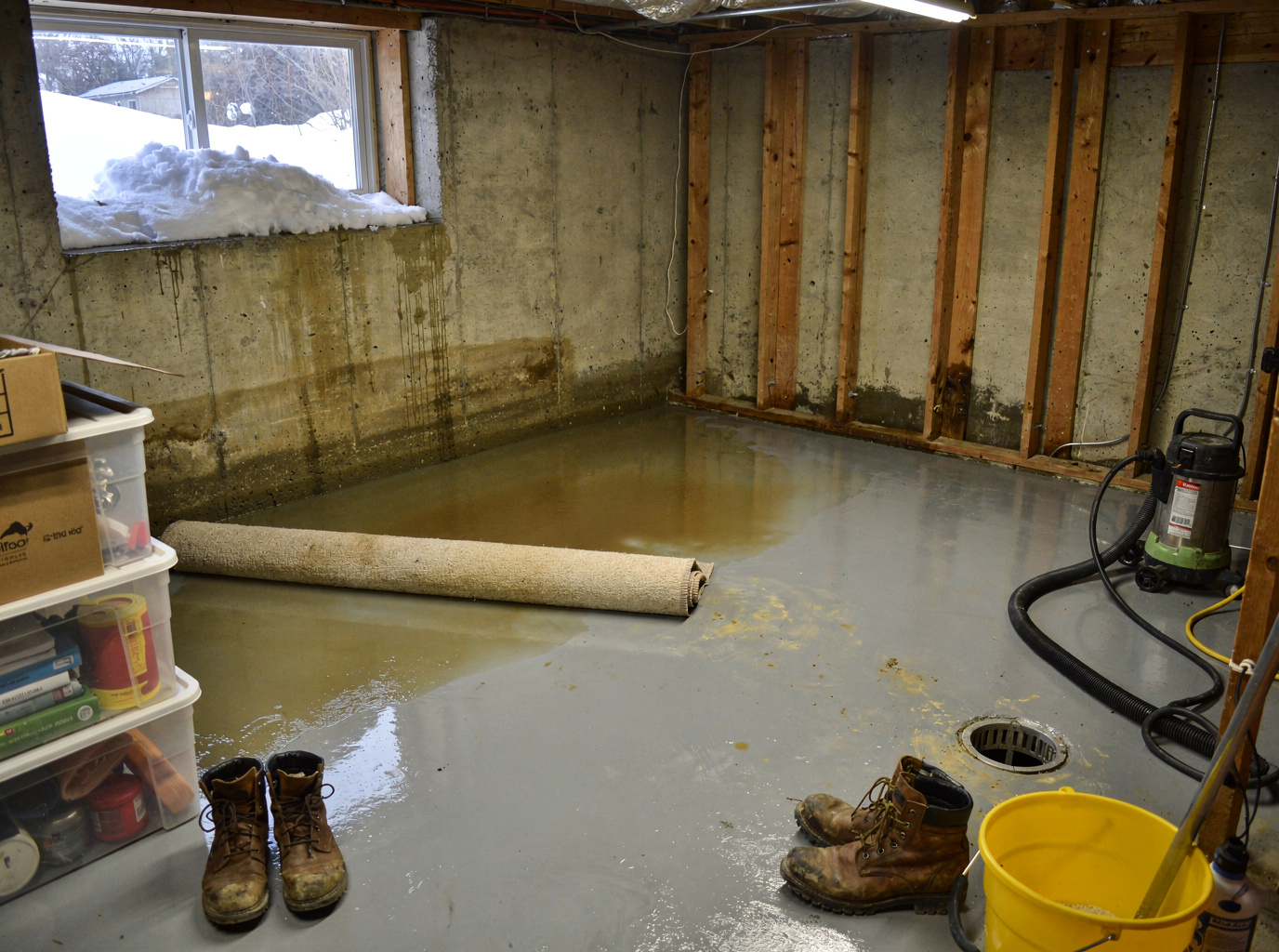
Basement flooding after snowmelt is a persistent issue for many homeowners across Iowa, and it often occurs due to a combination of factors unique to our climate and geology. When the substantial snow accumulation we typically see throughout the winter begins to melt rapidly, the ground, which is often still frozen several inches deep, cannot absorb the sudden influx of water. This creates a hydrostatic pressure buildup around your foundation, forcing water through cracks, porous concrete, or even up through floor seams. In older homes, particularly those in areas like Iowa City or Ottumwa, foundations may have aged, leading to more prevalent cracks and vulnerabilities. The amount of water can range from a few puddles to several inches, and the damage can be extensive, affecting everything from personal belongings to structural integrity. Addressing this issue promptly is crucial to prevent long-term problems like mold growth and further structural damage.
Why Iowa's Snowmelt is a Major Threat to Basements
Iowa's winters are characterized by significant snowfall, and the subsequent spring thaw creates a perfect storm for basement flooding. Unlike rainfall, which can be absorbed into unfrozen ground, snowmelt often happens when the soil is still impermeable. This phenomenon is particularly pronounced in areas with heavier clay soils, such as those found around Fort Dodge and Oskaloosa, which naturally drain slower even when not frozen. When the ground is frozen, water has nowhere to go but to pool around your home's foundation. As temperatures fluctuate, the freeze-thaw cycle can also exacerbate existing cracks in concrete foundations, making them more susceptible to water intrusion. Homes built decades ago, common in established neighborhoods across Iowa, often lack modern waterproofing techniques, making them especially vulnerable to this seasonal challenge. The sheer volume of water from a large snowpack can quickly overwhelm inadequate drainage systems.
Common Entry Points for Snowmelt Water
Understanding where snowmelt water typically enters your basement is the first step toward effective prevention and remediation. One of the most common culprits is hydrostatic pressure forcing water through foundation cracks. These cracks can be hairline or more significant, developing over time due to soil movement, settling, or the freeze-thaw cycle. Another frequent entry point is through window wells that are not properly drained or maintained; if they fill with snowmelt, the water can easily seep into your basement. Compromised cove joints, where the basement floor meets the wall, are also prime locations for water intrusion as hydrostatic pressure can push water up through these seams. Additionally, issues with your exterior drainage, such as clogged or improperly sloped gutters and downspouts that discharge too close to the foundation, will direct massive amounts of snowmelt directly to your basement walls. For more on specific entry points, especially in older homes, you might find our article on Spotting Early Signs Of Basement Water In Older Iowa Homes helpful.
Immediate Steps When Your Basement Floods from Snowmelt
If you discover water in your basement after snowmelt, acting quickly is paramount. First and foremost, ensure your safety by avoiding contact with standing water if you suspect electrical hazards; it's always best to turn off the power to the affected area at your main breaker. Once it's safe, begin removing as much standing water as possible. For significant flooding, a wet/dry vacuum or a submersible pump will be necessary. Move any salvageable items to a dry area to prevent further damage. Document the damage with photos and videos for insurance purposes. After the water is removed, focus on drying out the space thoroughly. This often involves using fans and dehumidifiers for several days, or even weeks, depending on the extent of the flooding. Prompt and thorough drying is critical to prevent the growth of mold and mildew. For immediate assistance with water removal, consider our Emergency Water Extraction services.
Preventing Future Snowmelt Flooding
Proactive measures are the most effective way to prevent basement flooding from snowmelt. Start by ensuring your gutters and downspouts are clean and extended at least 5–10 feet away from your foundation. This directs melting snow away from the critical foundation perimeter. Improve your exterior grading by ensuring the ground slopes away from your home at a rate of at least 1 inch per foot for the first 6 feet. This simple step can significantly reduce the amount of water pooling near your foundation. Consider installing window well covers to prevent snow and ice from accumulating in them. For persistent issues, an exterior basement waterproofing system can be a long-term solution, redirecting water before it ever reaches your foundation walls. In some cases, an interior drainage system with a reliable sump pump may be necessary, especially in areas like Coralville or North Liberty where homes might experience higher water tables. Regular maintenance and addressing small issues before they become major problems are key to keeping your basement dry year after year.
Long-Term Solutions for a Dry Basement
For homeowners facing recurring snowmelt-related basement flooding, more robust solutions may be necessary. Investing in interior basement waterproofing can involve installing a drainage system along the perimeter of your basement that collects water and directs it to a sump pump, which then expels it away from your home. Another effective strategy is to address foundation cracks directly; these can often be sealed from the interior or exterior depending on their severity and location. For properties with persistent issues related to hydrostatic pressure, a combination of interior and exterior drainage solutions might be the most comprehensive approach. Ensuring your sump pump is functioning correctly is also vital; consider a battery backup sump pump for added protection during power outages, which can sometimes accompany severe winter weather or rapid thaws. These long-term solutions, while an investment, provide peace of mind and protect your home's value, especially in areas like Webster City or Humboldt where the soil conditions and winter weather can be challenging. Don't let snowmelt compromise your home's integrity; explore options for a permanently dry basement.