
2026-10-09 · Alex 'Mac' McMillan
Spotting Early Signs Of Basement Water In Older Iowa Homes
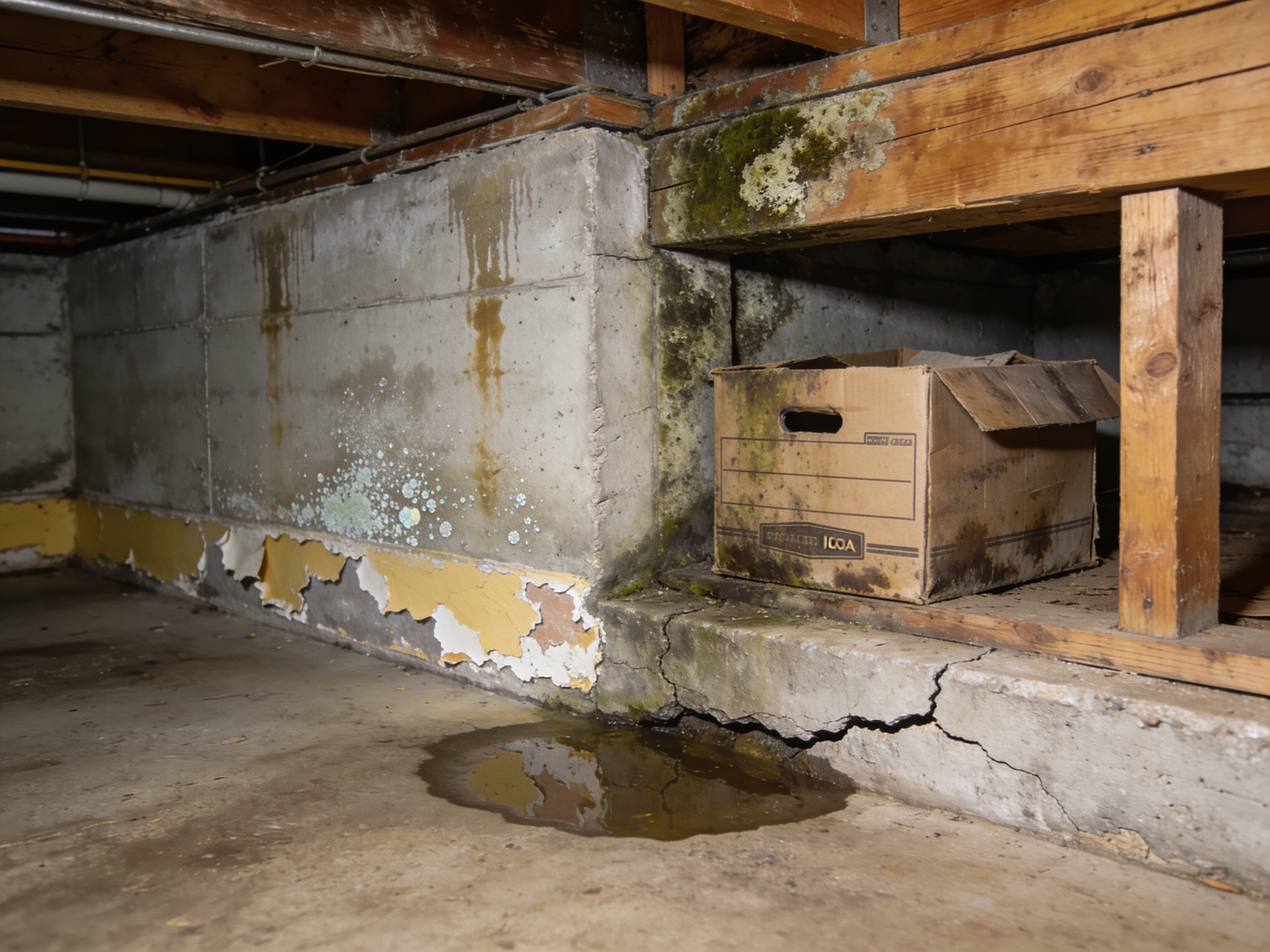
Spotting early signs of basement water in older Iowa homes is crucial for preventing extensive and costly damage. Many homes across the state, particularly those built before the 1980s in communities like Ottumwa, Fairfield, or Webster City, often feature basements that were constructed with less robust waterproofing methods than today's standards. The tell-tale signs often manifest as distinct odors, visible stains, or structural changes. These issues are frequently exacerbated by Iowa's unpredictable weather patterns, including heavy spring rains and significant snowmelt, which can saturate the clay-rich soils prevalent in many areas, putting immense pressure on foundations. Addressing these indicators promptly can mean the difference between a minor repair and a major intervention like full foundation wall water seepage remediation.
The Subtle Scent of Trouble: Musty Odors
One of the earliest and most common indicators of basement water problems in older Iowa homes is a persistent musty or earthy smell. This odor is often attributed to mold and mildew growth, which thrives in damp, dark environments. Even if you don't see visible water, a strong musty smell suggests elevated humidity levels and moisture infiltration. In homes around Coralville or North Liberty, where older residential areas are common, this smell can be particularly noticeable after a heavy rain event or during periods of high humidity. Don't dismiss a musty basement as just an "old house smell"; it's a clear signal that moisture is present and creating an environment ripe for microbial growth. Ignoring it can lead to more significant issues over time, impacting indoor air quality and potentially causing health concerns for residents. Regular ventilation might mask it temporarily, but it won't resolve the underlying water intrusion.
Visible Clues: Stains, Discoloration, and Efflorescence
Beyond odors, visible signs on basement walls and floors are undeniable indicators of water problems. Look for:
- Water Stains: These can appear as dark, discolored patches on concrete, block, or finished walls. They often follow the path of water intrusion, such as along cracks in the foundation or at the seam where the wall meets the floor.
- Efflorescence: This is a white, powdery, or crystalline deposit found on concrete or masonry surfaces. It's formed when water seeps through the porous material, dissolves salts within the concrete, and then evaporates, leaving the salt deposits behind. While efflorescence itself isn't harmful, its presence is a definitive sign that water is regularly penetrating your basement walls. You can learn more about this phenomenon on our page about white-stuff-on-basement-walls.
- Peeling Paint or Wallpaper: Moisture behind painted or papered surfaces will cause them to bubble, peel, or flake off. This is a common occurrence in finished basements where water has seeped through the foundation.
These visual cues are especially prevalent in older homes in towns like Fort Dodge or Oskaloosa, where foundations have stood for decades, enduring countless freeze-thaw cycles and heavy precipitation. The constant expansion and contraction of the soil, combined with hydrostatic pressure, can create hairline cracks that, over time, become pathways for water. Early detection of these stains can lead to a more targeted and less invasive repair, preventing the need for more extensive basement flood cleanup later on.
Structural and Material Changes: Warping, Cracks, and Deterioration
Water intrusion doesn't just leave superficial marks; it can cause significant structural and material damage. Keep an eye out for:
- Cracks in Walls or Floors: While some hairline cracks are normal in concrete, widening or spiderweb cracks, especially those that appear wet or show signs of efflorescence, are red flags. Horizontal cracks in foundation walls are particularly concerning as they can indicate significant external pressure from saturated soil.
- Warped or Buckling Floors/Walls: If you have a finished basement with drywall or flooring, moisture can cause these materials to warp, buckle, or swell. Wood trim might show signs of rot or discoloration.
- Rust on Metal Components: Any metal in your basement, such as support beams, water heater tanks, or even the legs of appliances, can develop rust if the humidity is consistently high due to water intrusion. This is a common issue in older homes across Iowa where basements may not have adequate ventilation or proper waterproofing.
These issues are often exacerbated by the clay-heavy soils found throughout much of the across Iowa area. These soils expand when wet and contract when dry, putting immense pressure on older, less reinforced foundations. Understanding Iowa soil types and their effect on basement drainage can help homeowners in places like Humboldt or Eagle Grove anticipate and address these challenges. If you notice any of these more severe signs, it's critical to seek professional assessment quickly to prevent further structural compromise.
The Role of Your Sump Pump and Drainage
In many older Iowa homes, the existing drainage systems and sump pumps might be outdated or insufficient for current needs. A failing sump pump is a primary cause of basement flooding. If your basement has a sump pump, regularly check its operation, especially before and after heavy rainfall or snowmelt. A non-functioning pump, or one that cycles too frequently, could indicate a problem. Many homes in areas like Lake City or Manson rely heavily on their sump pumps to manage groundwater. Furthermore, assess your exterior drainage. Gutters and downspouts should direct water at least 6 feet away from your foundation. If water pools near your home, it will inevitably find its way into your basement. For more information on preventing issues, consider our article on preventing water intrusion during Iowa spring rains.