
2026-10-09 · Alex 'Mac' McMillan
Cost Factors For Basement Water Removal Across Iowa
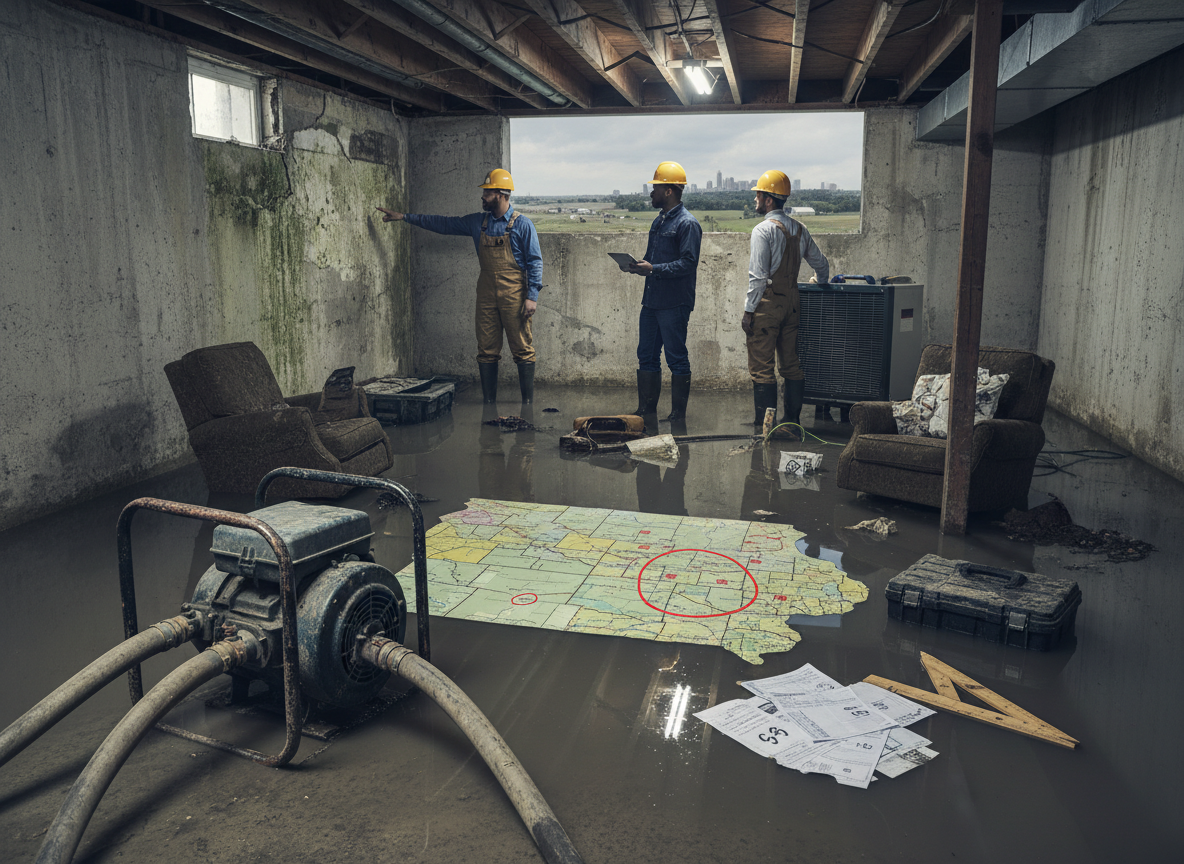
The cost of basement water removal in Iowa varies significantly based on several key factors, generally ranging from $500 to $3,000 for straightforward water extraction and drying in a small, clean water incident, up to $5,000 to $10,000 or more for larger floods involving contaminated water, structural damage, or extensive mold remediation. This wide range reflects the diverse conditions we encounter across the state, from the older homes in areas like Iowa City and Ottumwa with their historic foundations, to newer constructions in rapidly developing communities such as North Liberty and Coralville. Each situation presents unique challenges that directly influence the final price, and getting an upfront quote is always the best way to understand your specific circumstances.
Volume and Category of Water
The amount of water in your basement is arguably the most immediate cost driver. A few inches of clean rainwater, perhaps from a minor sump pump failure in a /services/sump-pump-failure-causing-basement-flooding, is far less complex to remove and dry than a foot or more of sewage backup. Water is categorized into three types: Category 1 (clean water), Category 2 (gray water, like washing machine overflow), and Category 3 (black water, such as sewage or floodwaters from rivers). Removing Category 3 water, often seen after heavy spring rains or /services/basement-flooding-after-snowmelt, demands specialized equipment and rigorous decontamination protocols, significantly increasing labor and disposal costs. The sheer volume also dictates the number of extraction units, dehumidifiers, and air movers needed, as well as the time required for complete drying, which can stretch over several days.
Extent of Damage and Affected Materials
Beyond just the water itself, the damage it causes to your basement's contents and structure plays a crucial role in determining the overall cost. If the water has seeped into drywall, insulation, or flooring, these materials often need to be removed, disposed of, and replaced. For example, a finished basement with carpeting, wood paneling, and built-in shelving will incur much higher restoration costs than an unfinished concrete basement. Older homes across Iowa, particularly in areas like Fort Dodge or Fairfield, often have basements with varied construction materials, some of which are more susceptible to water damage and thus more expensive to remediate. The longer water sits, the more pervasive the damage becomes, driving up both drying and replacement expenses.
Mold Remediation Requirements
One of the most significant cost escalators is the presence of mold. If water has been present for more than 48–72 hours, there's a high probability of mold growth, particularly in the damp, dark environments typical of Iowa basements. Mold remediation is a specialized process that requires containment, air scrubbing, and careful removal of contaminated materials to prevent spores from spreading throughout your home. This adds a substantial layer of complexity and cost to the water removal project. While we always aim to prevent mold through rapid drying, if it's already established, addressing it properly is non-negotiable for your health and home's integrity. For more insights on this, you might find our article on /blog/preventing-water-intrusion-during-iowa-spring-rains helpful.
Accessibility and Location
The ease of access to your basement can also influence labor costs. A basement with a wide, easily accessible walk-out door is simpler to work in than a cramped, low-ceiling space accessed only by a narrow stairwell. Homes on challenging terrain, common in some of Iowa's more rolling landscapes, might also present logistical difficulties for equipment delivery and debris removal. Furthermore, the distance our crews need to travel can be a minor factor, though we serve across Iowa and its surrounds, from Humboldt to Oskaloosa, ensuring timely response wherever you are. Our goal is always to provide efficient service regardless of these logistical considerations.
Additional Services and Prevention
Often, a basement water removal project uncovers underlying issues that need to be addressed to prevent future flooding. This could include repairing foundation cracks, improving exterior drainage, or installing interior waterproofing systems. While these are separate services, they are often considered alongside the initial water removal to provide a comprehensive solution. For instance, if /services/foundation-wall-water-seepage was the culprit, addressing that root cause is crucial. Investing in preventative measures like /services/interior-basement-waterproofing or /services/exterior-basement-waterproofing can save you significant money and stress down the line by avoiding repeat incidents. We believe in providing solutions that not only fix the immediate problem but also safeguard your home for the long term, offering upfront quotes for any recommended preventative work.