
2026-10-09 · Alex 'Mac' McMillan
Preventing Water Intrusion During Iowa Spring Rains
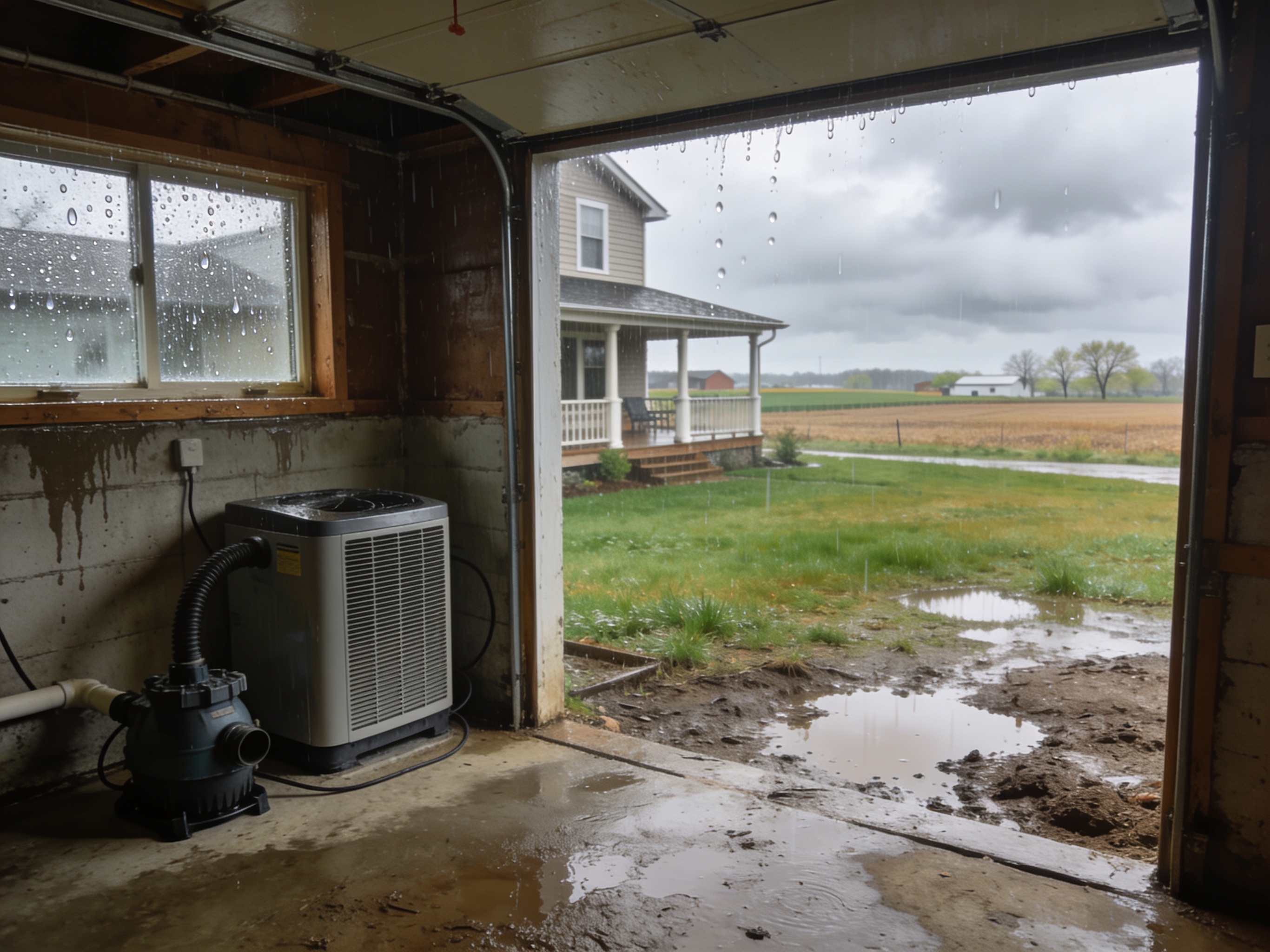
Preventing water intrusion during Iowa's spring rains primarily involves a multi-pronged approach focusing on exterior drainage, foundation integrity, and reliable interior water management systems. While no single solution guarantees a completely dry basement in every extreme weather event, consistently maintaining your home's perimeter, ensuring proper grading, and having a robust sump pump system can reduce the risk of water intrusion by 80% to 95%. This proactive strategy is crucial across Iowa, where the combination of thawing snow, heavy rainfall, and often saturated clay soils can quickly overwhelm even well-built foundations. Addressing these factors before the spring deluge is far more effective and less costly than dealing with the aftermath of a flooded basement.
Understanding Iowa's Spring Water Challenges
Iowa's climate presents unique challenges for basement water management, particularly during the spring. We often experience significant snowmelt in late winter, which saturates the ground. This is then followed by heavy, sometimes torrential, spring rains. The clay-rich soils prevalent across much of Iowa, from the Loess Hills near the Missouri River to the till plains of central Iowa around cities like Fort Dodge and Oskaloosa, do not drain quickly. This means water tends to accumulate around foundations, creating hydrostatic pressure that can force its way through cracks or porous areas in basement walls and floors. The older housing stock common in many Iowa communities, including historic homes in Iowa City or established neighborhoods in Ottumwa, often have foundations that were not designed for modern drainage expectations, making them particularly vulnerable to these seasonal pressures.
Exterior Defense: Managing Water Before It Reaches Your Foundation
The first line of defense against spring water intrusion is always on the exterior of your home. Proper grading is paramount; the ground around your foundation should slope away from the house at a rate of at least 6 inches over the first 10 feet. This directs rainwater and snowmelt away from the basement walls. Inspect your gutters and downspouts regularly. They should be free of debris and extend at least 5–10 feet away from the foundation. Consider adding downspout extensions or splash blocks, especially in areas where water tends to pool. Even a small change in grading or a clogged gutter can make a significant difference in preventing water from accumulating against your basement walls, which is a common cause of basement water after heavy rain.
Landscaping choices also play a role. While beautiful, certain plants and shrubs too close to the foundation can retain moisture or their roots can compromise foundation integrity over time. Ensure any garden beds adjacent to your house are properly sloped and do not create a basin for water collection. We often see issues in homes across the Iowa area where beautiful, but poorly planned, landscaping contributes to water problems. Redirecting surface water effectively is a cost-effective preventative measure, often saving homeowners thousands in potential water damage repairs.
Foundation Integrity: Sealing the Entry Points
Even with excellent exterior drainage, water can still find its way into your basement if your foundation has vulnerabilities. Over time, concrete can crack due to settling, freeze-thaw cycles common in Iowa, or simply age. Inspect your foundation walls, both inside and out, for any visible cracks, no matter how small. Hairline cracks can expand and become entry points for water under pressure. If you notice any signs of white stuff on basement walls, it could be efflorescence, indicating moisture is already penetrating the concrete.
Addressing these cracks promptly is crucial. For smaller, non-structural cracks, a DIY sealant might offer a temporary fix, but for persistent or larger cracks, professional assessment is recommended. For more comprehensive protection, consider exterior basement waterproofing, which involves excavating around the foundation and applying a waterproof membrane. Alternatively, interior basement waterproofing systems, such as drain tile and vapor barriers, can manage water that penetrates the foundation before it causes damage inside your living space. These solutions are particularly relevant for older homes in areas like Coralville or North Liberty, where original foundations may not have adequate protection.
Sump Pump Systems: Your Last Line of Defense
For many Iowa basements, a properly functioning sump pump system is the ultimate safeguard against water intrusion, especially during heavy spring rains or rapid snowmelt. Your sump pump collects water that makes its way into your interior drain tile system and pumps it safely away from your home. It’s vital to ensure your sump pump is in excellent working order before spring arrives. We recommend testing your sump pump quarterly, and definitely before storm season. If you're unsure how, read our article on [/blog/how-to-test-a-sump-pump-before-storm-season].
Consider a battery backup sump pump system. Power outages are not uncommon during severe spring storms, and a primary sump pump is useless without electricity. A reliable backup system can provide 8–12 hours of continuous operation, or even longer with a larger battery, protecting your basement when the power goes out. We frequently respond to calls for sump pump failure causing basement flooding after spring storms, and often, a backup system could have prevented the issue entirely. Ensure the discharge pipe from your sump pump extends far enough from your home – at least 10–20 feet – to prevent the pumped water from simply recirculating back into your foundation drainage system. Directing it towards a storm drain or a sloped area away from your property is ideal.