
2026-10-09 · Alex 'Mac' McMillan
Signs of hidden water damage in basement
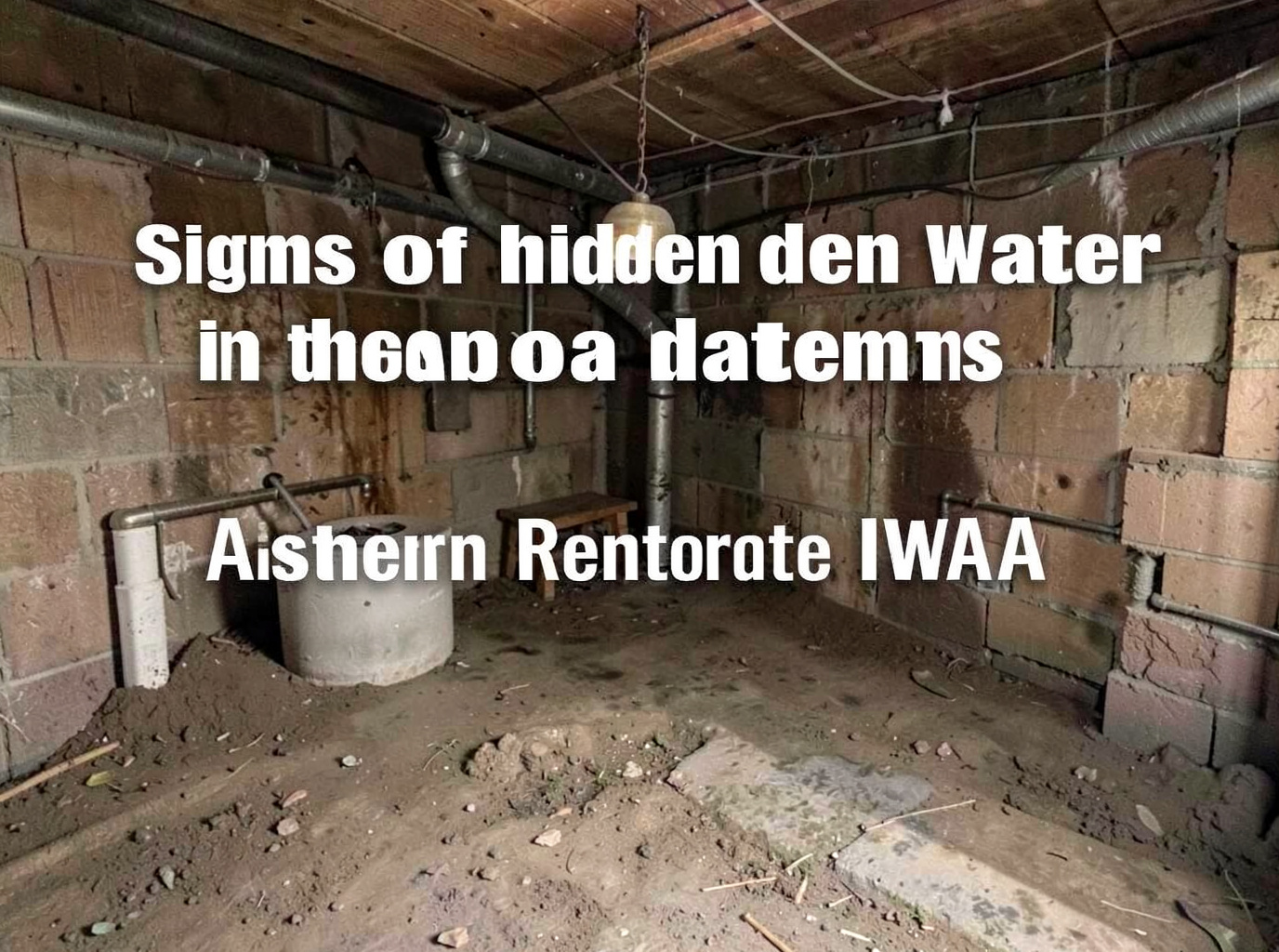
Identifying hidden water damage in your basement often comes down to recognizing subtle cues that indicate moisture is present, even if you don't see standing water. In Iowa, where we experience significant freeze-thaw cycles, heavy spring rains, and snowmelt, these hidden issues are particularly common. The tell-tale signs often include persistent musty odors, unexplained increases in humidity, visible efflorescence (a powdery white substance) on concrete or masonry, discolored or peeling paint on walls, and even warped baseboards or flooring. Catching these early can prevent more extensive and costly repairs down the line, especially in older homes across areas like Iowa City, Fort Dodge, or Ottumwa, where foundations might be more susceptible to the region's expansive clay soils and fluctuating water tables.
The Subtle Scent of Trouble: Musty Odors
One of the most common and often overlooked indicators of hidden water damage is a persistent musty odor. This smell is caused by mold and mildew growth, which thrive in damp, dark environments. Even if you don't see visible mold, the odor suggests that moisture is present somewhere in your basement. In Iowa, especially after periods of heavy rain or snowmelt, basements can become prime breeding grounds for these fungi. If you notice a damp, earthy, or stale smell that doesn't dissipate with ventilation, it's a strong signal to investigate further. This is particularly true in older homes, where foundations may have developed small cracks over decades, allowing moisture to seep in gradually. Ignoring these smells can lead to widespread mold issues, impacting indoor air quality and potentially requiring professional Basement Mold Remediation.
Visible Clues: Stains, Discoloration, and Efflorescence
Beyond smell, visual cues can provide undeniable evidence of hidden water intrusion. Look closely at your basement walls, floors, and even stored items. Water stains on walls or ceilings, often appearing as yellowish or brownish patches, are clear indicators of past or ongoing leaks. These stains might be faint at first but will darken over time. Another common sign, especially on concrete or brick surfaces, is efflorescence. This is a powdery, white, crystalline deposit formed when water passes through masonry, dissolving salts within the material and leaving them behind as the water evaporates. It's a direct sign that moisture is migrating through your foundation. Peeling, bubbling, or blistering paint on basement walls also points to moisture behind the surface, pushing the paint away from the substrate. In areas with high water tables, like near the Iowa River in Iowa City or along the Des Moines River near Fort Dodge, these signs are particularly prevalent.
Structural and Material Changes: Warping and Deterioration
Hidden water damage doesn't just affect surfaces; it can also impact the structural integrity of materials in your basement. Pay attention to warped or buckled flooring, especially laminate, vinyl, or wood. Excess moisture can cause these materials to swell and deform. Similarly, soft or sagging drywall or paneling indicates that the material has absorbed water and is losing its rigidity. Inspect baseboards and trim for signs of warping, discoloration, or rot. Even concrete floors can show signs of damage, such as cracks that widen over time or a general dampness that never seems to dry. These issues are often exacerbated by the significant temperature fluctuations we experience across Iowa, which can stress building materials and foundations. If you notice these changes, it's crucial to address the source of the water promptly to prevent further deterioration and potential structural concerns.
Unexplained High Humidity and Condensation
A consistently high humidity level in your basement, even without visible water, is a strong indicator of hidden moisture problems. If your basement feels perpetually damp or clammy, or if you notice condensation on pipes, cold surfaces, or windows, it means there's too much moisture in the air. While some humidity is normal, especially during humid Iowa summers, persistent dampness suggests an underlying issue. This could be due to groundwater seeping through foundation cracks, a leaky pipe hidden within walls, or even improper ventilation. High humidity encourages mold growth and can lead to a host of other problems, including damage to stored items and a general decline in indoor air quality. Addressing the source of this moisture is vital for maintaining a healthy basement environment, potentially requiring solutions like improved drainage or even Interior Basement Waterproofing.
What to Do When You Spot the Signs
If you've identified any of these signs of hidden water damage in your Iowa basement, the next step is to act quickly. Ignoring these indicators will almost certainly lead to more significant problems, from extensive mold growth to compromised structural elements. Start by trying to identify the source of the moisture, if possible. Is it a leaky pipe, a crack in the foundation, or is it related to heavy rainfall? For many homeowners across Iowa, understanding the specific cause, whether it's Basement Water After Heavy Rain or Basement Flooding After Snowmelt, is the first step toward a lasting solution. If the problem is beyond a simple fix, or if you can't pinpoint the source, it's time to call in professionals. Early intervention can save you thousands of dollars in repairs and prevent long-term health issues associated with mold exposure. For more insights on prevention, consider reading our article on Preventing Water Intrusion During Iowa Spring Rains.